
Key Takeaways
- Burmese ruby is prized for its vivid, almost glowing red colour
- The gemstone’s origin influences its tone, saturation, and long-term value
- Collectors of fine jewellery in Singapore favour Burmese stones for rarity and prestige
- Colour consistency and fluorescence set these rubies apart
- Proper sourcing and craftsmanship enhance both beauty and investment appeal
Introduction
Few gemstones command attention quite like a Burmese ruby. Its red is not merely bright; it seems lit from within, as if the stone has captured a sliver of sunset and refused to let it go. In Singapore, where appreciation for quality and craftsmanship runs deep, this distinctive colour has made Burmese ruby jewellery a quiet favourite among collectors and connoisseurs of fine jewellery in Singapore.
But what exactly makes this gemstone so special? After all, rubies exist in several parts of the world. The answer lies not just in geography, but in light, chemistry, and history woven together.
The Colour That Almost Glows
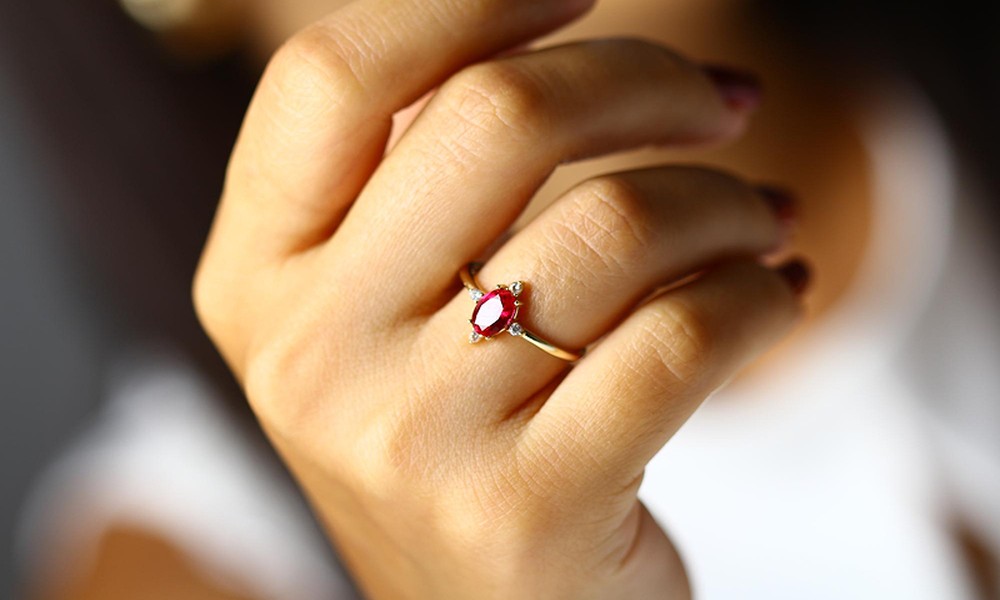
When jewellers speak about a Burmese ruby, they often mention “pigeon blood” red. It sounds dramatic, perhaps even poetic, yet the term has technical weight. The finest stones from Myanmar’s Mogok region display a saturated red with a hint of blue undertone. That subtle balance prevents the colour from appearing too dark or overly pink.
Under Singapore’s strong tropical sunlight, the effect becomes even more pronounced. The stone seems to glow rather than simply reflect light. This fluorescence occurs because of trace elements, particularly chromium, within the crystal structure. It is a scientific detail, yes, but the result feels almost magical.
Collectors of fine jewellery in Singapore recognise that this glow is not easily replicated. Rubies from other origins may be beautiful, yet they often lean towards brownish or purplish tones. The Burmese stone holds its red with remarkable clarity.
Rarity Matters More Than Ever
Colour alone would be impressive. Rarity, however, elevates the Burmese ruby into another category. High-quality stones from Myanmar have become increasingly scarce due to limited mining and stricter regulations. As supply tightens, demand among serious buyers remains steady.
In Singapore’s luxury market, where heritage watches and bespoke jewellery often share the same display cases, rarity carries weight. A finely cut Burmese ruby set in fine jewellery in Singapore does more than adorn the wearer. It signals discernment. It suggests patience in sourcing and care in selection.
There is a mild contradiction here. Jewellery is meant to be worn and enjoyed, yet many buyers also see these stones as long-term assets. Beauty and value coexist, sometimes uneasily, but often quite comfortably.
Craftsmanship Shapes the Final Brilliance
Of course, a gemstone’s potential depends on the hands that shape it. Even the most vibrant Burmese ruby can lose impact if poorly cut or set. Skilled jewellers understand how to orient the stone to maximise light return, how to balance it within a ring or pendant, and how to frame it with complementary metals such as platinum or high-karat gold.
In ateliers of fine jewellery in Singapore, craftsmanship is often meticulous. Settings are designed to protect the stone without muting its colour. Prongs are refined; proportions are deliberate. When done well, the ruby remains the undisputed focal point, yet the entire piece feels harmonious.
Interestingly, minimal designs sometimes showcase Burmese rubies best. A clean, modern setting allows the colour to speak for itself. It is a bit like serving a perfectly prepared chilli crab with just enough garnish, not so much that the main flavour gets lost.
Why Singapore Buyers Appreciate the Distinction
Singaporeans tend to research before they purchase, whether it is property, electronics, or fine gemstones. That same thoughtful approach applies to jewellery. Buyers often ask about origin, treatment, and certification. They want clarity, literally and figuratively.
A certified Burmese ruby offers reassurance. It confirms provenance and indicates whether the stone has undergone heat treatment. While some treatments are common in the industry, untreated stones from Myanmar are especially prized and command stronger prices in collections of fine jewellery in Singapore.
There is also cultural resonance. Red symbolises prosperity and celebration in many Asian traditions. A ruby that carries both vivid colour and historic prestige feels particularly meaningful, whether worn during festive occasions or passed down through generations.
Conclusion
Burmese ruby jewellery continues to captivate because its colour is unmistakable, its rarity undeniable, and its presence quietly powerful. The glow that distinguishes a Burmese ruby is not a marketing flourish but a natural phenomenon shaped by geology and refined by skilled craftsmanship.
For collectors and admirers of fine jewellery in Singapore, these stones represent more than ornamentation. They embody history, discernment, and a touch of enduring drama. To explore exceptional Burmese ruby pieces and experience their distinctive colour firsthand, contact Yadanar Gems and discover a gemstone that truly stands apart.