
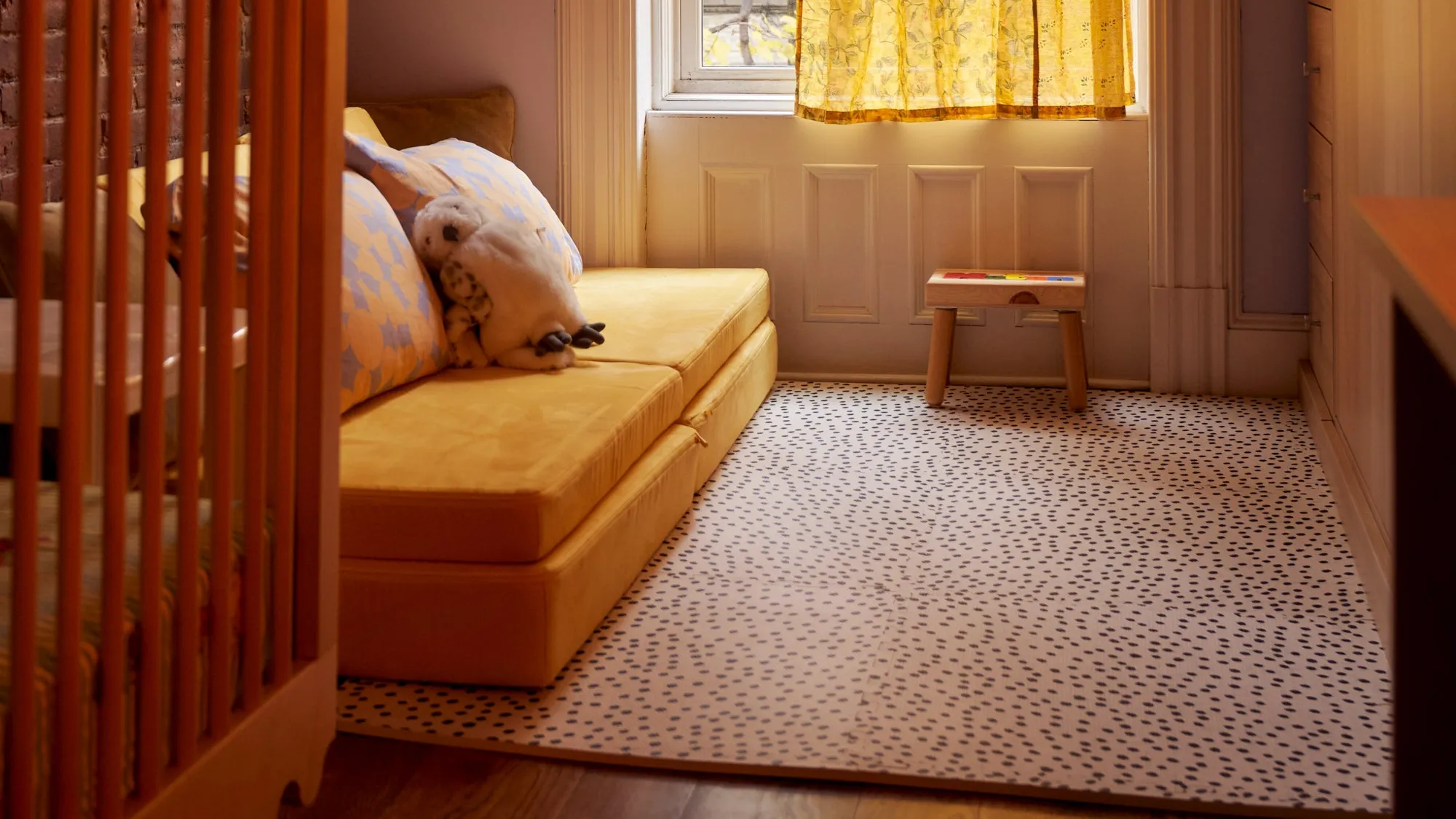
Choosing the right rug for your child’s room can feel overwhelming. Parents face a constant battle between comfort, safety, and practicality. You want something soft enough for your toddler to crawl on, yet tough enough to survive juice spills, art projects, and endless play sessions.
The material you choose makes all the difference. Some fabrics offer incredible softness but fall apart within months. Others last for years but feel rough under tiny feet. Smart parents know that the best kids rugs strike a balance between comfort and durability without breaking the bank.
Safety concerns add another layer to your decision. Children spend hours playing on their rugs, making direct contact with fibers. This means you need materials that won’t trigger allergies or release harmful chemicals into your home’s air.
Let’s examine which materials actually deliver on their promises and which ones you should avoid.
Key Factors When Choosing Kids Rugs
Safety Comes First
Children’s health trumps everything else. Look for rugs made from non-toxic materials that don’t release volatile organic compounds (VOCs). Many synthetic rugs contain harmful chemicals that can cause respiratory issues or skin irritation.
Non-slip backing prevents dangerous falls during active play. Kids run, jump, and slide across their rugs constantly. A rug that shifts underfoot creates unnecessary hazards.
Comfort Matters for Development
Soft surfaces support healthy play and development. Children use floor space differently than adults. They sit, crawl, lie down, and roll around during various activities. Hard or scratchy materials can discourage floor play, limiting their physical development.
Cushioning protects growing joints and bones. Kids fall more frequently than adults and need surfaces that absorb impact safely.
Durability Saves Money Long-Term
Children test every material’s limits. They drag toys across surfaces, spill drinks, and track in dirt from outside adventures. Cheap materials require frequent replacement, making them more expensive over time.
Stain resistance keeps rugs looking fresh longer. Even the most careful families deal with accidents regularly.
Easy Maintenance Reduces Stress
Busy parents need cleaning solutions that actually work. Some materials promise easy care but require special treatments or professional cleaning. Others trap odors and stains permanently.
Machine-washable options offer the ultimate convenience for smaller rugs. Larger pieces need materials that respond well to spot cleaning and regular vacuuming.
Top Materials for Children’s Rugs
Wool: The Natural Champion
Wool stands out as nature’s most practical choice for kids rugs. This natural fiber offers impressive stain resistance due to its unique structure. Liquids sit on the surface rather than soaking in, giving you time to clean up spills.
The material regulates temperature naturally, keeping children comfortable year-round. Wool feels warm in winter and cool in summer, adapting to your home’s conditions.
Durability makes wool rugs excellent investments. Quality wool rugs last for decades with proper care. They handle heavy foot traffic and maintain their appearance even after years of use.
However, wool comes with drawbacks. Initial costs run higher than synthetic alternatives. Some wool rugs require professional cleaning, adding ongoing expenses.
Cotton: The Family-Friendly Option
Cotton rugs offer softness that children love at prices families can afford. This natural material feels gentle against sensitive skin and rarely causes allergic reactions.
Cleaning cotton rugs couldn’t be easier. Most cotton options work well in standard washing machines. Even larger pieces respond well to spot cleaning with regular household products.
Cotton’s main weakness lies in its limited durability. Heavy use causes cotton fibers to wear down quickly. Frequent washing can lead to fading and shrinkage over time.
Stains penetrate cotton easily, making immediate cleanup essential. This material works best for families with older children who create fewer messes.
Nylon: The Practical Powerhouse
Nylon delivers exceptional durability at reasonable prices. This synthetic material handles the roughest treatment kids can dish out. Heavy furniture, constant foot traffic, and aggressive play sessions barely affect quality nylon rugs.
Stain resistance ranks among nylon’s best features. Most spills wipe away easily without leaving permanent marks. Professional-grade stain treatments make some nylon rugs nearly bulletproof against accidents.
The trade-off comes in comfort. Nylon feels less soft than natural alternatives. Some nylon rugs generate static electricity, causing uncomfortable shocks during dry weather.
Heat sensitivity requires careful placement. Nylon can melt when exposed to high temperatures, making it unsuitable near heating vents or fireplaces.
Polyester: The Soft Compromise
Polyester combines softness with affordability better than most materials. Modern polyester rugs feel surprisingly comfortable underfoot while maintaining reasonable prices.
Stain resistance varies by quality but generally performs well. Most polyester rugs handle common childhood accidents without permanent damage. Colors stay vibrant longer than many natural alternatives.
Durability concerns limit polyester’s appeal for high-traffic areas. This material flattens under heavy use and doesn’t bounce back like wool or nylon. Cheaper polyester options may pill or shed excessively.
Static buildup affects some polyester rugs, especially during winter months when indoor humidity drops.
Jute and Sisal: The Textured Naturals
Natural plant fibers add interesting texture to children’s rooms while offering impressive durability. Jute and sisal rugs handle abuse well and bring organic warmth to any space.
These materials resist stains naturally and don’t trap odors like some synthetic options. Their rough texture can actually help with sensory development for some children.
However, the coarse feel makes these materials unsuitable for very young children. Babies and toddlers may find jute or sisal uncomfortable for crawling and playing.
Cleaning challenges make these materials less practical for messy households. Liquids can stain permanently, and professional cleaning may be necessary for serious accidents.
Material Comparison Guide
| Material | Comfort | Durability | Stain Resistance | Price Range | Best For |
| Wool | High | Excellent | Excellent | High | Long-term investment |
| Cotton | High | Fair | Fair | Low | Budget-conscious families |
| Nylon | Medium | Excellent | Excellent | Medium | High-traffic areas |
| Polyester | High | Good | Good | Low-Medium | Soft, affordable option |
| Jute/Sisal | Low | Excellent | Good | Medium | Older children’s rooms |
Keeping Kids Rugs Fresh and Clean
Daily Maintenance
Regular vacuuming prevents dirt from grinding into fibers. Use medium suction settings to avoid damaging delicate materials. Focus extra attention on high-traffic areas where children play most often.
Rotate rugs periodically to ensure even wear patterns. This simple step extends rug life significantly and prevents permanent indentations from furniture.
Accident Response
Act quickly when spills occur. Blot liquids immediately rather than rubbing, which pushes stains deeper into fibers. Work from the outside of stains toward the center to prevent spreading.
Keep appropriate cleaning supplies nearby. Water and mild dish soap handle most accidents effectively. Avoid harsh chemicals that might leave residues or damage fibers.
Deep Cleaning Strategy
Schedule professional cleaning annually for valuable rugs. This maintains appearance and removes deep-seated dirt that regular vacuuming can’t reach.
Machine-washable rugs should be cleaned monthly or as needed. Use cold water and gentle cycles to prevent shrinkage and fading.
Protection Tips
Rug pads serve multiple purposes beyond slip prevention. They add cushioning, extend rug life by reducing wear, and improve comfort for playing children.
Establish “no shoes” policies in bedrooms and play areas. This simple rule dramatically reduces the amount of dirt and debris tracked onto rugs.
Making the Right Choice for Your Family
Consider your specific circumstances when choosing materials for kids rugs. Families with toddlers need different solutions than those with school-age children. Budget constraints matter, but don’t sacrifice safety for savings.
Think about your home’s layout and traffic patterns. High-activity areas need more durable materials, while bedroom rugs can prioritize softness over extreme durability.
When you buy premium rugs in India, quality matters more than brand names. Focus on construction quality, material purity, and safety certifications rather than flashy marketing claims.
Test materials when possible before making final decisions. Many showrooms offer samples that let children feel different textures firsthand.
Creating Safe, Comfortable Spaces
The best kids rugs balance multiple competing priorities without compromising on any single factor. Your children deserve comfortable, safe play surfaces that don’t create extra work for busy parents.
Material choice affects your family’s daily life for years to come. Take time to evaluate your specific needs, budget constraints, and long-term plans before deciding.
Remember that the cheapest option rarely delivers the best value. Investing in quality materials saves money and frustration over time while providing safer environments for children to grow and play.
Start by identifying your top priorities, then match them with materials that deliver on those specific needs. Your children will thank you with years of happy, healthy play.