
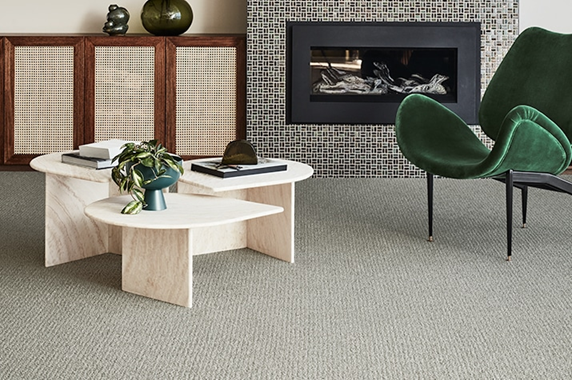
Allergies can make your home feel uncomfortable. Sneezing, watery eyes, and congestion shouldn’t be part of your daily routine. Many people assume they need to avoid rugs altogether, but that’s not true. Wool rugs actually help create healthier indoor environments for allergy sufferers.
Unlike synthetic materials that trap dust and release chemicals, wool naturally resists allergens. This makes wool rugs an excellent choice when you buy rugs online or shop for premium rugs in India. The key lies in understanding which wool rugs work best and how to maintain them properly.
This guide will show you why wool rugs benefit allergy-friendly homes, which types work best, and how to keep them clean. You’ll learn practical tips to create a healthier living space without sacrificing style or comfort.
Why Wool Rugs Fight Allergies
Wool possesses unique properties that synthetic fibers simply cannot match. These natural characteristics make wool rugs powerful allies in the fight against indoor allergens.
Natural Dust Mite Resistance
Dust mites thrive in warm, humid environments with plenty of dead skin cells to feed on. Wool’s natural structure creates an inhospitable environment for these microscopic pests. The fiber’s low moisture content and natural lanolin coating discourage dust mite colonies from establishing themselves in your rug.
When you buy carpet made from wool, you’re investing in a material that actively works against dust mite infestations. This benefit becomes particularly important in bedrooms and living areas where people spend extended periods.
Superior Air Quality Control
Wool acts as a natural air filter. The fiber structure traps airborne particles, including dust, pollen, and pet dander. Unlike synthetic materials that release these particles back into the air when disturbed, wool holds onto them until your next cleaning session.
This filtering action helps maintain better indoor air quality throughout your home. The result is fewer airborne allergens circulating in your living spaces.
Chemical-Free Environment
Synthetic rugs often contain volatile organic compounds (VOCs) and chemical treatments that can trigger sensitivities. Wool rugs contain no harsh chemicals or artificial additives. The natural processing methods used in quality wool rugs mean fewer irritants in your indoor environment.
Moisture Regulation Benefits
Wool naturally regulates humidity by absorbing excess moisture from the air and releasing it when conditions become too dry. This moisture control prevents the damp conditions that encourage mold and mildew growth. Both mold spores and mildew can trigger severe allergic reactions, making wool’s moisture-regulating properties particularly valuable.
Types of Wool Rugs for Allergy Sufferers
Not all wool rugs offer the same benefits for people with allergies. Understanding the different types helps you make informed decisions when you buy rugs and carpet online.
Hand-Knotted Wool Rugs
Hand-knotted wool rugs represent the highest quality option for allergy-friendly homes. The tight knot structure prevents allergens from penetrating deep into the rug’s foundation. These rugs also use pure wool without synthetic blends that might harbor allergens.
The dense construction means allergens stay on the surface where regular vacuuming easily removes them. When you buy premium rugs in India, hand-knotted options often provide the best long-term value for allergy sufferers.
Flat-Weave Wool Rugs
Flat-weave wool rugs offer another excellent option for sensitive individuals. The thin profile and tight weave create fewer spaces for allergens to accumulate. These rugs are easier to clean thoroughly and dry faster after deep cleaning sessions.
The low pile height means less surface area for dust and debris collection. This makes flat-weave wool rugs particularly suitable for high-traffic areas where allergens might otherwise build up quickly.
Cut-Pile Wool Rugs with Low Profile
Low-pile wool rugs provide comfort while maintaining easy maintenance. The shorter fibers trap fewer allergens than high-pile alternatives while still offering the natural benefits of wool. These rugs work well in dining rooms and entryways where spills and tracked-in allergens are common concerns.
Avoid Wool Blends
Pure wool rugs offer better allergy protection than wool blends. Synthetic fibers mixed with wool can reduce the natural hypoallergenic properties. When you buy rugs online, check the fiber content carefully. Look for rugs labeled as 100% wool for maximum allergy benefits.
Essential Maintenance for Allergy-Free Wool Rugs
Proper maintenance keeps your wool rugs working effectively against allergens. These straightforward care practices ensure your investment continues protecting your home’s air quality.
Regular Vacuuming Schedule
Vacuum your wool rugs twice weekly using a vacuum with strong suction and a HEPA filter. The HEPA filter captures microscopic allergens that standard filters miss. Use the appropriate height setting for your rug’s pile to ensure effective cleaning without damaging the wool fibers.
Pay special attention to high-traffic areas where allergens accumulate faster. Overlap your vacuum strokes to ensure thorough coverage. This regular maintenance prevents allergen buildup that could trigger reactions.
Professional Deep Cleaning
Schedule professional cleaning for your wool rugs every 12-18 months. Professional cleaners use specialized equipment and wool-safe cleaning solutions that remove embedded allergens without damaging the natural fibers.
Between professional cleanings, address spills immediately to prevent stains and odors that might harbor bacteria or mold. Blot spills rather than rubbing to avoid pushing moisture deeper into the fibers.
Proper Drying Techniques
After any wet cleaning, ensure your wool rugs dry completely. Incomplete drying creates conditions favorable to mold and mildew growth. Use fans to improve air circulation and speed drying times. Never place wet wool rugs in direct sunlight, as this can cause fading and fiber damage.
Strategic Placement
Position your wool rugs away from direct sunlight and high-moisture areas. Bathrooms and kitchens may not be ideal locations due to humidity concerns. Choose locations with good air circulation to help maintain the rug’s natural moisture-regulating properties.
Rotation and Rest Periods
Rotate your wool rugs periodically to ensure even wear and prevent permanent indentations from furniture. This rotation also allows you to clean underneath the rug, removing allergens that might accumulate on the floor surface.
Shopping Tips for Allergy-Friendly Wool Rugs
Making smart purchasing decisions ensures you get wool rugs that truly benefit your allergy management efforts.
Quality Indicators
Look for rugs with tight, consistent weaves when you buy rugs and carpet online. Higher knot counts generally indicate better quality and more effective allergen resistance. Check product descriptions for information about the wool’s origin and processing methods.
Reputable sellers provide detailed information about their wool sources and manufacturing processes. This transparency helps you avoid rugs treated with chemicals that might trigger sensitivities.
Size Considerations
Choose rug sizes appropriate for your spaces without overwhelming them. Larger rugs cover more floor area, potentially providing better allergen control, but they also require more maintenance effort. Balance your allergy management goals with your cleaning capabilities.
Budget Planning
Quality wool rugs represent significant investments, but they often provide better long-term value for allergy sufferers. When you buy premium rugs in India, compare the total cost of ownership, including maintenance requirements and expected lifespan.
Consider starting with one high-quality wool rug in your primary living space rather than buying multiple lower-quality options. This approach allows you to experience the allergy benefits while building your collection over time.
Return Policies and Warranties
Choose retailers that offer reasonable return policies when you buy rugs online. This protection becomes particularly important for allergy sufferers who need to ensure rugs don’t trigger unexpected reactions. Quality wool rugs often come with warranties that protect your investment.
Creating Your Allergy-Friendly Home
Wool rugs provide natural, effective protection against common household allergens. Their unique properties actively work to improve your indoor air quality while adding warmth and style to your living spaces.
The investment in quality wool rugs pays dividends through reduced allergy symptoms and improved comfort. When you buy carpet and rugs made from pure wool, you’re choosing materials that support healthier indoor environments.
Start with one room and experience the difference wool rugs can make in your home. With proper selection and maintenance, these natural floor coverings will serve your family’s health and comfort needs for years to come.