
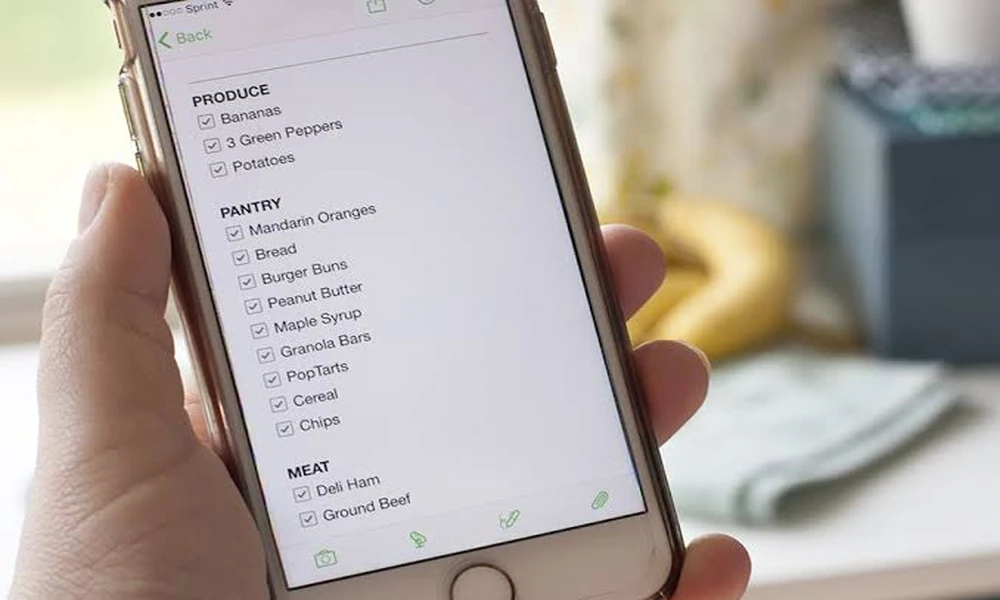
A useful grocery note tells you what to buy when you are standing in front of the freezer case. Save the exact product name, a plain description of the filling and format, and any substitution you would accept. Add a relevant package photograph if it helps. Keep the note short enough to use, then improve it after a real purchase.
Save the exact name and plain description
“Dumplings” may be enough to remind you of the category but not the item you intended. A brand, product name, and filling description answer different questions. The brand helps locate the range, the name identifies the variety, and the plain description confirms that you have understood what is inside.
For example, Sizzlin’ Fried Onion means full-size potato-and-onion pierogies in Holy Perogy’s range. Writing both the product name and that description is useful because a creative name can be easy to misremember. It also distinguishes the item from a package whose serving photograph happens to show onions on top.
Keep the format in the note when it matters to the meal. If you planned a seated dinner with full-size dumplings, a mini variety may change the serving arrangement even if the filling sounds familiar. You can accept that change, but it should be a conscious decision made with the meal in mind.
The descriptions in Holy Perogy’s fillings and retailers in the Bronx can help you create the initial entry. Use the page to identify the intended variety and possible stores, then let the actual package provide the details you need at purchase. A shopping note should preserve your choice without pretending to be live inventory.
Write a fallback that reflects the reason you chose the product. If potato and onion are essential to the meal, “any flavor” is too broad. If you are flexible about filling but need a plant-based option, that requirement belongs in the note. An acceptable substitute is a decision you make, not a guess the store display should make for you.
It is fine for the fallback to be no purchase. A note that says “skip if unavailable” can prevent an unwanted bag from entering the freezer simply because you felt obliged to finish the errand. Leave room for another dinner idea rather than making an unsuitable substitute the default.
Add the package photo that resolves ambiguity
A photograph is helpful when it answers a question the text cannot resolve quickly. The front of a package can show the exact variety and format. A separate image of ingredient information may be useful when checking requirements, provided it is readable and you understand that the current package still needs review.
Avoid saving a collection of nearly identical images. Several old photographs can make it harder to know which one represents the intended purchase. Keep the relevant image beside the written note and remove an obsolete one when you replace it. Use a descriptive caption if the phone displays several attachments together. The note should become clearer with use, not turn into an archive of every grocery visit.
Do not rely only on package color. Designs can change, and several products may use similar colors. The name and filling description remain the information you are trying to match. A photograph is a visual aid, not permission to ignore what the package says.
If you add a photo of the cooking directions, label it as a reference from the package you bought. It can help you decide whether the product suits your kitchen before a repeat purchase. At preparation, follow the directions on the actual package in hand. An old image should not silently become the authority for a different product.
Keep personal notes separate from product facts. “Enjoyed with cucumber salad” records your experience. “Full-size potato and onion” describes the product. Both can be useful, but they serve different purposes. A clear note allows you to preserve a successful dinner idea without confusing it with something the manufacturer promises.
One workable entry could read: “Holy Perogy – Sizzlin’ Fried Onion. Full-size potato-and-onion pierogies; plant-based variety. Planned for dinner with the vegetables already at home. If unavailable, skip this purchase and use the backup meal. Check the current package ingredients and directions.”
Update the note after a real purchase
Once you have cooked and eaten the product, add only the observation that will help next time. Perhaps the filling was right but the accompaniment was too similar in flavor. Perhaps you preferred a smaller initial purchase. A brief, specific comment is more actionable than a general rating that does not explain what happened.
If you bought the wrong variety, identify what caused the confusion. Was the format missing from the note? Did the photograph show two packages? Did an abbreviated name obscure the filling? Repair that point rather than making the whole entry longer. The aim is to prevent the same misunderstanding.
Store information can be recorded as a past observation, but do not turn it into a permanent stock claim. A store that carried a variety on one visit may have a different selection later. If the trip depends on that exact product, confirm it again rather than trusting an undated line in your phone.
Before the next shopping trip, glance at the note and delete what no longer serves the decision. The useful version should fit the moment when you need it: a name to find, a filling to confirm, and a clear answer if the desired package is missing.